


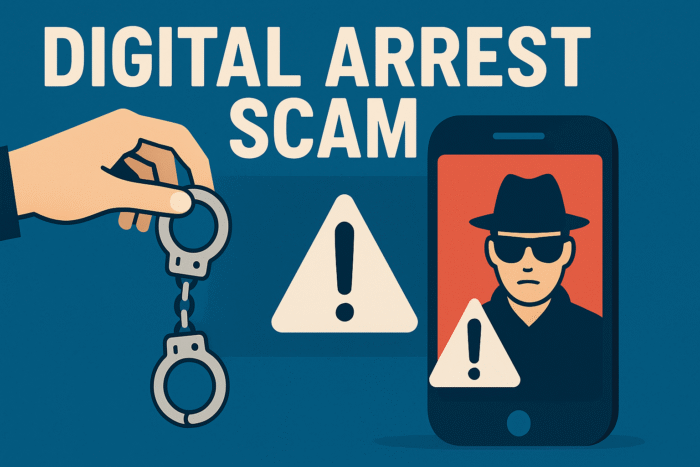
Imagine getting a phone call or a message that instantly turns your world upside down. You’re told you’re under arrest, right now, and if you don’t act immediately, your life as you know it will be over. But here’s the twist: it’s not a real arrest, and the police aren’t knocking on your door. Instead, it’s a terrifying and sophisticated form of online deception known as What is Digital Arrest? Shocking Facts Behind This Alarming Online Scam. In 2025, these scams are becoming increasingly prevalent, targeting unsuspecting individuals with a barrage of fear tactics and fake authority. It preys on your trust, your fears, and your immediate reaction to avoid trouble, making it one of the most insidious cyber threats we face today.
Table of Contents
Key Takeaways
- Digital arrest is a scam: It’s a fraudulent tactic where scammers impersonate law enforcement or government officials to threaten immediate arrest, demanding money or personal information.
- Fear is the primary weapon: Scammers leverage fear of legal action, public humiliation, or financial ruin to pressure victims into complying without thinking.
- Common tactics vary: This scam can appear via phone calls (spoofed numbers), emails, text messages, or even pop-up warnings on your computer.
- They demand unusual payments: Victims are often asked to transfer money via cryptocurrency, gift cards, or specific payment apps, which are difficult to trace.
- Awareness is your best defense: Knowing the red flags and understanding official procedures is crucial to protect yourself from these alarming online scams in 2025.
Understanding What is Digital Arrest? Shocking Facts Behind This Alarming Online Scam
So, what is digital arrest? At its core, it’s a psychological manipulation game designed to scare you into making hasty decisions. Scammers, often operating from remote locations, pretend to be high-ranking officials from legitimate government agencies like the police, the FBI, the tax department, or even international customs. They might claim you’ve been involved in money laundering, drug trafficking, or some other serious crime. The “arrest” isn’t physical; it’s a threat of imminent legal action, frozen bank accounts, or public shaming if you don’t follow their instructions.
The “digital” aspect comes from the methods they use to reach you – typically phone calls, but also emails, text messages, and even sophisticated pop-up messages on your computer screen that might lock your device. They exploit our reliance on digital communication and the common anxiety many people feel when contacted by official-sounding entities.
The Rise of Digital Arrest Scams in 2025
While these types of scams aren’t entirely new, their sophistication has grown significantly. In 2025, scammers are leveraging advanced technologies like AI-powered voice cloning, spoofed phone numbers that perfectly mimic official helplines, and highly convincing fake websites or email addresses. They often have access to personal information obtained from data breaches, making their claims sound even more credible. This ability to personalize the attack makes it incredibly difficult for victims to discern the truth from the deception.
One shocking fact is the sheer volume of these attempts. Law enforcement agencies worldwide report a continuous increase in these complaints, with millions of dollars lost annually. The emotional toll on victims, even those who don’t fall for the scam, can be immense, leading to anxiety and distrust in legitimate communications.
Think about it: How would you react if you suddenly received a call from a number that perfectly matched your local police department, and the person on the other end knew your name and address, claiming you had an active warrant? It’s designed to create immediate panic, leaving little room for rational thought.
How Do Digital Arrest Scams Work? Common Tactics and Shocking Facts
Scammers are masters of deception, and their methods for executing a digital arrest scam are highly refined. They meticulously plan their attacks to exploit human vulnerabilities, especially fear and urgency. Let’s break down the common tactics and shed light on some truly shocking facts about how these operations unfold.
The Initial Contact: A Web of Deception
The scam usually begins with an unexpected and alarming communication. This can manifest in several ways:
- The Frightening Phone Call: This is perhaps the most common method. Your phone rings, and the caller ID might even display a legitimate government agency’s name or a local police department number (this is called “spoofing”). The voice on the other end is often authoritative, sometimes aggressive, and speaks with urgency. They might claim to be from the FBI, the IRS, the DEA, or even your local police.
- Shocking Fact: Scammers often use pre-recorded messages or AI-generated voices to deliver initial threats, making it easier to scale their operations and sound highly convincing [1].
- The Urgent Email or Text Message: You might receive an email designed to look official, complete with government logos and jargon. It will often contain threats of legal action or frozen assets and demand an immediate response. Similarly, text messages might include links to fake “court documents” or “warrant information.”
- Shocking Fact: These emails can be so well-crafted that they pass basic spam filters, appearing directly in your inbox alongside legitimate correspondence. Always be wary of urgent demands in emails, especially those asking for personal details or financial transactions [2]. You can learn more about identifying such threats by checking out our guide on inbox overload: sorting through the aggravation of spam vs phishing.
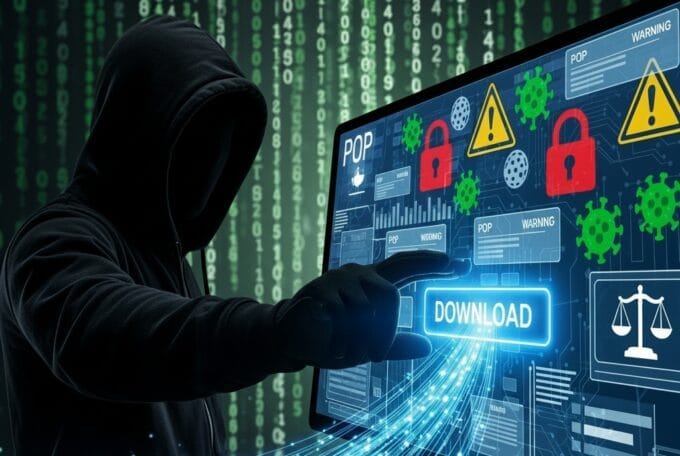
- The Malicious Pop-Up: Imagine browsing online, and suddenly your screen is filled with a warning message, often designed to look like a legitimate antivirus alert or a government security notification. It states your computer has been “locked” due to illegal activity and demands payment to unlock it or face “digital arrest.”
- Shocking Fact: These pop-ups can be very persistent, sometimes even preventing you from closing your browser or accessing your desktop, creating a powerful illusion of being truly “arrested” digitally. For steps to take if your system is compromised, consider reading about 7 malware removal steps to take immediately.
The “Charges” and Threats
Once they have your attention, the scammers will lay out their fabricated charges. These are typically serious accusations designed to instill maximum fear:
- Money Laundering: “Your bank account has been flagged for suspicious international transfers.”
- Drug Trafficking: “Packages with your name were intercepted containing illegal substances.”
- Tax Evasion: “You have unpaid back taxes and an arrest warrant has been issued.”
- Identity Theft: “Your identity was used in a crime, and you are now implicated.”
They will often provide specific, yet false, details – case numbers, badge numbers, even names of “supervisors” – to enhance their credibility.
The Demand: Money or Information
This is where the scam reveals its true nature. To “resolve” the issue and avoid immediate arrest, the scammers demand one of two things:
- Immediate Payment: They insist you must pay a “fine,” “bail,” or “settlement” immediately. They create extreme urgency, threatening that if you hang up or don’t comply within minutes, you will be arrested, your assets frozen, or your reputation ruined.
- Shocking Fact: Scammers almost exclusively demand payment via untraceable methods. This includes gift cards (e.g., Apple, Amazon, Google Play), cryptocurrency (like Bitcoin), wire transfers to foreign accounts, or specific payment apps. No legitimate government agency will ever demand payment in these forms.
- Personal Information: Sometimes, the goal is to extract sensitive personal data. They might ask for your Social Security Number, bank account details, credit card numbers, or other credentials, claiming it’s necessary to “verify your identity” or “clear your name.”
- Shocking Fact: This information is then used for further identity theft, financial fraud, or to sell on the dark web, leading to long-term consequences for the victim.
Psychological Manipulation: The Core of What is Digital Arrest? Shocking Facts Behind This Alarming Online Scam
The success of these scams hinges on expert psychological manipulation. Here’s how they do it:
- Urgency and Pressure: They create a sense of extreme urgency, giving victims no time to think or consult others. “You must act now or be arrested!”
- Fear and Intimidation: The threats are severe – arrest, jail time, financial ruin, public exposure. This emotional distress clouds judgment.
- Authority Impersonation: People are generally conditioned to respect and obey authority figures. When a scammer convincingly impersonates law enforcement, victims are less likely to question them.
- Isolation: They often instruct victims not to tell anyone, not even family or lawyers, claiming it will “jeopardize the investigation” or lead to immediate arrest.
The combination of these tactics makes it incredibly difficult for individuals, especially those who are elderly, less tech-savvy, or under significant stress, to resist. It’s a chilling reminder of the dark side of online interactions and the constant need for cyber awareness in 2025.
Red Flags: How to Identify a Digital Arrest Scam
Protecting yourself from a digital arrest scam starts with recognizing the warning signs. Here are the undeniable red flags you should always look out for. When you understand what is digital arrest? Shocking facts behind this alarming online scam, these clues become much clearer.
Immediate and Intense Pressure
- Unrealistic Urgency: Any legitimate agency will give you time to understand the situation, consult with legal counsel, or verify their identity. Scammers demand immediate action – “Pay now, or you’ll be arrested in 15 minutes!”
- Threats of Immediate Arrest: Law enforcement doesn’t typically call you to warn you about an impending arrest and offer a way to pay your way out of it. If there’s a warrant for your arrest, police will show up at your door, not demand gift cards over the phone.
- No Opportunity to Verify: If they refuse to let you hang up and call back a verified number, or tell you not to speak to anyone else, that’s a huge red flag.
Demands for Unusual Payment Methods
- Gift Cards: No government agency or legitimate business will ever ask you to pay fines, taxes, or bail with gift cards (e.g., iTunes, Google Play, Amazon, Steam). This is a hallmark of scams because gift cards are like cash – once the code is used, the money is gone and untraceable.
- Cryptocurrency: Demanding payment in Bitcoin or other cryptocurrencies is another massive red flag. While some legitimate transactions occur with crypto, government agencies do not use it for fines or legal settlements.
- Wire Transfers to Foreign Accounts: Be extremely suspicious if you’re asked to wire money to an individual or account overseas to “resolve” a legal issue.
Impersonation and Threatening Language
- Claiming to be from Specific Agencies (FBI, IRS, DEA): While these agencies do exist, they have specific protocols for communication. They will never initiate contact with threats of immediate arrest over the phone for non-payment or alleged crimes that can be “resolved” with a payment.
- Aggressive and Demanding Tone: Scammers often use an intimidating and authoritative tone, hoping to overwhelm you. A legitimate officer or government official would maintain professionalism.
- Asking for Sensitive Information Over the Phone: Government agencies rarely ask for sensitive information like your Social Security Number, bank account details, or credit card numbers over an unsolicited phone call. If they need to verify your identity, they will direct you to secure official channels or ask you to come in person.
Suspicious Communication Details
- Generic or Poorly Worded Emails/Texts: Look for grammatical errors, awkward phrasing, or generic greetings (“Dear Citizen” instead of your name). Legitimate organizations maintain high standards for their communications.
- Spoofed Phone Numbers: Scammers can “spoof” numbers to make it appear as though they are calling from a legitimate police station or government office. Don’t trust caller ID alone.
- Links to Unfamiliar Websites: If an email or text asks you to click a link, hover over it (without clicking!) to see the actual URL. If it doesn’t match the official website of the agency it claims to be from, it’s likely a scam. Learn how to identify and protect against various cyber threats in 2025.
What Legitimate Authorities WON’T Do
It’s important to remember what real law enforcement or government agencies will not do:
- They will NOT demand immediate payment via gift cards, cryptocurrency, or wire transfers to avoid arrest.
- They will NOT threaten to arrest you on the spot if you don’t comply with their financial demands over the phone.
- They will NOT ask you to disclose sensitive personal information over an unsolicited phone call or email for an “immediate resolution.”
- They will NOT prevent you from verifying their identity or consulting with a lawyer or family member.
By keeping these red flags in mind, you can empower yourself to spot and avoid the alarming online scam that is digital arrest. Your skepticism is your strongest shield!
Protecting Yourself: Essential Steps Against Digital Arrest Scams
Knowing what is digital arrest? Shocking facts behind this alarming online scam is the first step, but proactive protection is key. Here’s a comprehensive guide to safeguarding yourself and your loved ones from falling victim.
1. Verify, Verify, Verify (But Not with the Scammer)
If you receive a suspicious call, email, or message:
- Hang Up Immediately: Do not engage with the caller. If it’s a message, do not reply or click any links.
- Independently Verify: Look up the official contact number for the agency the scammer claimed to represent (e.g., your local police department, the IRS, the FBI). Call them directly using the number from their official website or a trusted directory – NOT a number provided by the suspicious caller.
- Legitimate communication from government agencies usually involves official letters sent via mail.
2. Never Give Out Personal Information or Money
- No Legitimate Agency Will Ask for Gift Cards or Crypto: This cannot be stressed enough. Any demand for payment via gift cards, cryptocurrency, or wire transfers for fines or to avoid arrest is a guaranteed scam.
- Protect Your PII: Never provide your Social Security Number, bank account details, credit card numbers, passwords, or any other sensitive personal identifiable information (PII) over an unsolicited call, email, or text.
- Don’t Share OTPs/PINs: One-Time Passwords (OTPs) and Personal Identification Numbers (PINs) are meant to secure your accounts. Never share them with anyone, even if they claim to be from your bank or a government agency.
3. Educate Yourself and Others
- Stay Informed: Keep up-to-date on common scam tactics. Follow reputable cybersecurity news sources like CyberTech Journals for the latest advisories.
- Talk to Loved Ones: Discuss these scams with family and friends, especially older relatives who might be more vulnerable. Share what you’ve learned about the digital arrest scam.
- Community Awareness: Encourage local community groups to host workshops or share information on scam prevention. This collective awareness is crucial in fighting cybercrime.
4. Strengthen Your Digital Security Posture
While these scams often target human psychology, having robust digital defenses can still help:
- Use Strong, Unique Passwords: Ensure all your online accounts have complex, unique passwords. Consider using a password manager.
- Enable Two-Factor Authentication (2FA): Wherever possible, activate 2FA for an extra layer of security. This makes it much harder for scammers to access your accounts even if they get your password.
- Keep Software Updated: Regularly update your operating system, web browser, and antivirus software to patch vulnerabilities.
- Install Reputable Antivirus/Anti-Malware Software: This can help detect and block malicious pop-ups or software designed to facilitate these scams. For more strategies, check out 10 strategies to strengthen digital security.
5. Be Skeptical of Unsolicited Communication
- Treat Unexpected Calls/Messages with Caution: Always be suspicious of calls, emails, or texts that are out of the blue, especially if they carry urgent or threatening messages.
- Trust Your Gut: If something feels off, it probably is. Don’t let fear override your intuition.
- Don’t Click Suspicious Links: Malicious links can install malware or lead to phishing sites designed to steal your information.
By taking these proactive steps, you significantly reduce your risk of becoming a victim of digital arrest scams and other alarming online threats prevalent in 2025. Remember, legitimate authorities will always follow proper procedures, which do not involve digital demands for untraceable payments.
What to Do If You’ve Fallen Victim to a Digital Arrest Scam
Even with all the warnings, it can happen. The psychological pressure of a digital arrest scam is intense, and smart, cautious people can still fall prey. If you find yourself in this situation, don’t panic, but act swiftly. Here’s a step-by-step guide on what to do. Understanding what is digital arrest? Shocking facts behind this alarming online scam means also knowing the path to recovery.
1. Stop All Communication Immediately
- Hang up the phone. Do not respond to any more emails or texts from the scammers.
- Block their numbers/email addresses. The longer you engage, the more vulnerable you are to further manipulation and loss.
2. Document Everything
- Gather all information: Note down the phone numbers, email addresses, names the scammers used, any transaction IDs, and the exact amounts of money lost.
- Screenshot conversations: If you communicated via text or email, take screenshots. This evidence will be crucial for reporting the scam.
3. Notify Your Bank and Financial Institutions
- Contact your bank/credit card company immediately: If you transferred money directly from your bank account or shared card details, report the fraudulent activity. They may be able to stop transactions or reverse charges, especially if reported quickly.
- Report gift card fraud: If you purchased gift cards, contact the issuer (e.g., Apple, Amazon, Google Play) immediately with the gift card numbers and purchase receipts. While difficult, sometimes they can freeze the funds if they haven’t been redeemed yet.
- Alert cryptocurrency exchanges: If you sent cryptocurrency, notify the exchange you used. While crypto transactions are largely irreversible, they might be able to flag the recipient’s wallet or assist law enforcement.
4. Report the Scam to Authorities
Reporting is crucial to help prevent others from becoming victims and to aid law enforcement in tracking these criminals.
- Local Police: File a report with your local police department. Provide them with all the documented information you gathered. Even if they can’t recover your money immediately, your report contributes to the overall effort to combat cybercrime.
- National Cybercrime Agencies:
- In the US: Report to the FBI’s Internet Crime Complaint Center (IC3) at IC3.gov.
- In India: Report to the National Cybercrime Reporting Portal at cybercrime.gov.in.
- Other Countries: Research your country’s equivalent cybercrime reporting agency.
- Federal Trade Commission (FTC): For US residents, report to the FTC at reportfraud.ftc.gov.
- Your Phone Provider: Report the spoofed numbers to your phone carrier. They can take steps to block or identify fraudulent numbers.
5. Check Your Credit and Secure Your Identity
- Monitor Credit Reports: If you shared personal information, immediately check your credit reports for any suspicious activity. You can get free annual reports from major credit bureaus.
- Place a Fraud Alert: Consider placing a fraud alert or credit freeze on your credit files to prevent new accounts from being opened in your name.
- Change Passwords: If you suspect any online accounts might be compromised, change your passwords immediately, especially for email and financial accounts. Enable two-factor authentication wherever possible.
6. Seek Support
- Talk to Someone: Falling victim to a scam can be emotionally devastating. Talk to a trusted friend, family member, or even a counselor. You are not alone, and there’s no shame in seeking support.
- Community Resources: Look for victim support groups or organizations that help individuals recover from fraud.
Remember, time is of the essence when dealing with financial fraud. The quicker you act, the better your chances of mitigating the damage. While full recovery of lost funds isn’t always possible, reporting the crime helps protect others and brings us closer to shutting down these alarming online scams. You can find more comprehensive resources and advice at CyberTech Journals – we’re here to help you navigate the complex world of cybersecurity.
Bottom Line: You Should Not Ignore
The phenomenon of digital arrest, with its shocking facts and sophisticated tactics, serves as a stark reminder that the digital world, while full of convenience and connection, also harbors significant dangers. In 2025, as technology advances, so too do the methods of those seeking to exploit and defraud us. These alarming online scams leverage our innate fears and trust in authority, turning what should be a straightforward interaction into a nightmare scenario involving threats of legal action and demands for untraceable payments.
However, knowledge is power. By understanding what digital arrest is, recognizing its common red flags—like immediate threats, demands for gift cards or cryptocurrency, and unsolicited calls from “authorities”—you equip yourself with the best defense. We’ve explored the intricate web of deception, from spoofed numbers to psychological manipulation, highlighting why these scams are so effective and devastating.
Protecting yourself and your loved ones means cultivating a healthy skepticism towards unexpected digital communications, independently verifying any official-sounding claims, and never, under any circumstances, providing sensitive personal information or unusual forms of payment to unverified sources. Your digital security is a continuous effort, encompassing everything from strong passwords and two-factor authentication to staying informed about the latest threats.
If you or someone you know has unfortunately fallen victim, remember that swift action is paramount. Immediately stop communication, document everything, alert financial institutions, and report the scam to appropriate authorities. There is no shame in being targeted by such a cunning scheme, and resources are available to help you navigate the aftermath.
Let’s remain vigilant and proactive. Share this information, discuss it with your community, and foster an environment where awareness is our strongest shield against the insidious reach of digital arrest scams. Stay safe, stay informed, and always question the unexpected.
FAQs About Digital Arrest
What is digital arrest in simple terms?
Digital arrest is a scam where cybercriminals pretend to be government officials and trick you into believing you are under arrest online to extort money.
Can the police actually arrest someone online?
No, police do not conduct legal arrests through WhatsApp or Zoom. All arrests must follow legal procedures, including physical presence and proper documentation.
Is installing AnyDesk dangerous?
Yes, if you install it at the request of an unknown person, they could take full control of your device and access your personal data or bank apps.











Leave a comment